Tips for Long-Lasting Results from Your Next Gutter Repair
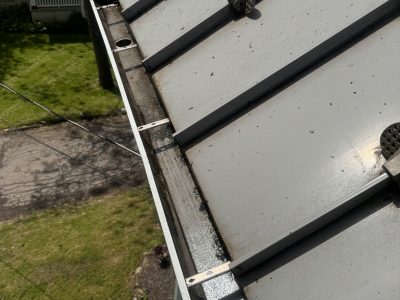
A gutter system does quiet, unglamorous work until the day it stops. Then the problems arrive fast. Water spills over the edge, stains the siding, pools near the foundation, and carves channels through mulch and topsoil. https://rafaelesfw434.theglensecret.com/gutter-repair-for-homes-with-steep-rooflines In colder climates, failing gutters can also feed ice buildup at the roofline. In warmer, wetter areas, they create a damp zone around the house that invites wood rot, mildew, and pest activity.
That is why a good gutter repair is not just about stopping the visible leak. It is about restoring the way water moves off the roof, through the troughs, into the downspouts, and away from the structure. The repairs that last are the ones that address the cause, not just the symptom. A patch can buy time, but only a well-judged repair will stand up to the next season of heavy rain, fallen leaves, wind, and temperature swings.
Homeowners often call for help after a dramatic overflow, but the real damage usually started much earlier. A loose hanger may have let one section sag for months. A seam may have opened just enough to drip behind the fascia. A downspout elbow may have been partially clogged, causing water to back up and sit in the trough. By the time the issue is obvious from the ground, more than one part of the system may be involved.
The good news is that long-lasting Gutter Repair is rarely mysterious. It comes down to careful diagnosis, sound materials, proper support, and attention to drainage beyond the gutter itself. The details matter. A quarter inch of slope in the wrong direction can keep a section wet all year. The wrong sealant can crack loose in one summer. A repair made over rotten wood may look fine for a few weeks, then fail when the fasteners lose their grip.
Start by identifying the real failure point
One of the most common reasons a gutter repair does not last is that the visible leak is treated as the whole problem. In practice, water is deceptive. It can travel along the underside of a trough, wick into joints, or drip far from the place where it first escaped. I have seen homeowners seal a seam three times, only to learn that the actual issue was a clogged downspout ten feet away. The standing water had nowhere to go, so it found the weakest joint and exploited it.
A proper assessment starts with the basics. Look for standing water in the gutter after a rain. Check for rust spots, pinholes, separated seams, and sections that have pulled away from the fascia. Examine the fascia board itself for softness, peeling paint, or dark discoloration. If the wood behind the gutter has begun to rot, simply reattaching the metal will not hold for long. The substrate matters as much as the gutter.
It also helps to observe the system during a real storm, not just in dry conditions. A gutter that looks acceptable from a ladder on a sunny day may reveal a poor pitch or overwhelmed downspout as soon as runoff increases. I have seen long front elevations where one downspout handled nearly the whole roof plane because the center seam had settled and created an unplanned low spot. The repair that lasted was not another bead of sealant. It was re-pitching the run and improving the outlet capacity.
If your home has multiple roof levels, valleys, or dormers, pay special attention to concentrated water flow. Valleys can dump a surprising amount of water into a short section of gutter. That area often needs stronger support, a wider trough, or at least more frequent inspection. When repairs fail repeatedly in the same place, there is usually a design issue behind the damage.
Material choice can make or break the repair
Not all repair materials perform equally, and compatibility matters. Aluminum gutters are common because they resist rust and are relatively easy to work with, but they can corrode if paired carelessly with dissimilar metals or exposed to certain runoff conditions. Steel gutters are stronger in some applications but need vigilant coating protection. Copper has excellent longevity but demands matching fasteners and a repair approach suited to a premium system.
Sealants are where many short-lived repairs go wrong. General-purpose caulk is rarely the answer. Gutters expand and contract constantly, especially on long sun-exposed runs. A sealant used for Gutter Repair needs to remain flexible, adhere well to clean metal, and tolerate standing moisture long enough to cure properly. If the surface is dirty, oxidized, or wet when the product is applied, even a good sealant may fail early.
Fasteners deserve the same care. Short screws driven into compromised fascia often create the illusion of a tight repair while leaving very little holding power. Hidden hangers with proper screws into solid wood tend to outlast older spike-and-ferrule systems, particularly in areas with freeze-thaw cycles or high winds. When one section is loose, it is worth checking the hanger spacing on the whole run. A single failure often means the support pattern was marginal from the start.
There is also a point where patching becomes false economy. If a section has widespread corrosion, multiple failed seams, or metal so thin that new holes form around the repair, replacement of that section is the more durable choice. The labor to keep revisiting a tired gutter adds up quickly, especially if each leak risks damage to trim, soffits, or landscaping below.
Pitch and support are the hidden backbone of a lasting repair
People notice holes and drips. They do not always notice slope. Yet pitch is one of the most important factors in long-term performance. A gutter should guide water consistently toward the outlet without obvious ponding. Too little slope and water lingers, depositing grit and organic debris. Too much slope and the gutter can look uneven, with water rushing toward one end and overshooting in heavy storms.
On a typical residential run, the pitch is subtle enough that you may not see it from the ground, but the gutter should not trap water. Even a small low spot can become a chronic problem. Standing water accelerates corrosion in steel systems, loosens debris into a compacted sludge, and increases the load on hangers. In winter, it creates repeated freeze pressure at seams and end caps.
Support spacing matters just as much. Gutters loaded with wet leaves, seed pods, and stormwater are far heavier than many homeowners realize. The repair has to account for those loads. If hangers are too far apart, or if they are secured into weakened wood, the trough will eventually twist or pull away again. On older homes, I often find that the fascia behind the gutter has been taking abuse for years. Once that wood is repaired or replaced, the new attachment points hold far better.
A good contractor does not just tighten what is loose. They look at the geometry of the whole run. Sometimes the correct fix is adding hangers, resetting one section, and replacing a damaged outlet rather than sealing the one place where the water finally showed itself.
Cleanliness before repair is not optional
A repair surface has to be clean, dry enough for the product being used, and free of loose oxidation or old failed sealant. This sounds basic, but rushed jobs skip this step all the time. The result is a patch bonded to dirt instead of metal.
Inside a gutter, the buildup can be surprisingly stubborn. Fine roof grit mixes with decomposed leaves into a paste that clings to seams and corners. If you apply sealant over that residue, the repair may look tidy on day one and peel by the next hard rain. The same goes for end caps and outlet joints, where debris tends to settle and stay damp.
Before any meaningful Gutter Repair, the system should be flushed and cleaned so water paths are visible. Once the dirt is gone, hidden defects appear. Hairline cracks around a downspout outlet, tiny pinholes near standing-water zones, and small separations at miters become much easier to spot. I have seen repairs that seemed too minor to justify the setup until the cleaning exposed three separate weak points clustered within a few feet.
There is a practical advantage here as well. A clean system provides a better baseline for future maintenance. If a leak returns six months later, you can tell whether it is a new failure or a continuation of an old one. That kind of clarity helps you decide whether another repair is sensible or whether a section is ready to be replaced.
Do not ignore the wood and trim behind the gutter
One of the costliest mistakes in gutter work is pretending the house behind the gutter is unaffected. Water leaking behind the trough often damages fascia, soffits, rafter tails, and paint long before the gutter itself looks terrible. If those components are soft, split, or rotted, a repair attached to them is temporary by definition.
This is where long-lasting results depend on honesty. If the wood substrate is failing, it needs repair first. Otherwise, even excellent fasteners and neatly sealed joints will loosen when the attachment point gives way. On some homes, especially older ones with layered repainting and deferred maintenance, the rot extends farther than expected once the gutter is removed. That can change the scope of the job, but skipping it only postpones the same repair at a higher cost.
The same principle applies to roof edges. Missing drip edge, damaged shingles at the eave, or improperly directed valley flashing can push water behind a perfectly good gutter. If the roofline detail is wrong, you may be asking the gutter to compensate for a roofing issue. It cannot do that for long.
Downspouts deserve as much attention as the troughs
A lot of repair conversations focus on the horizontal gutter and forget the vertical discharge. That is a mistake. If the downspout is clogged, undersized, poorly located, or disconnected from its extension, the gutter above it will struggle no matter how nicely the seam work is done.
A good test is simple. After cleaning, run water through the system and watch how quickly each outlet clears. If one corner backs up while others drain smoothly, the bottleneck is telling you something. Sometimes the fix is as straightforward as clearing a compacted elbow. Other times it means adding another downspout to a long run or reworking an awkward offset that catches debris.
The discharge point at the ground also affects longevity. Water that empties right beside the foundation can saturate soil, settle paving, and splash back onto siding. That moisture often gets blamed on the gutter when the real problem is poor carry-away after the downspout. Extensions, splash blocks, and underground drains all have their place, but they need to remain open and pitched. Buried drain lines can clog too, and when they do, the gutter system upstream behaves as if it were failing.
Timing matters more than most people think
Repairs last longer when they are made under the right conditions. Sealants need appropriate temperatures and cure times. Wet weather can compromise adhesion. Cold metal can stiffen products that are supposed to remain flexible, while extreme summer heat can make surfaces too hot for some compounds to bond properly.
There is also a seasonal logic to preventive work. Late summer and early fall are often ideal for inspection because they give you a chance to correct pitch, support, and seam issues before leaf drop and winter storms add stress. In spring, repairs may reveal damage caused by ice, snow load, or overflowing debris from the previous season. Neither season is universally better, but waiting until the middle of a crisis almost always reduces your options.
If your area gets heavy snow, ask whether the gutter system has also been dealing with sliding roof snow or ice. Gutters are not designed to act as snow guards. If winter movement is bending the front edge or tearing loose the hangers, the durable fix may involve roof-mounted snow retention in addition to gutter work.
A few maintenance habits dramatically extend repair life
The best repair in the world will not stay sound if the system is neglected afterward. Most homeowners do not need an elaborate maintenance plan. They need a realistic one, repeated consistently.
- Clean and flush gutters at least once or twice a year, more often if you have pines, maples, or overhanging oaks.
- Check after major storms for new sagging, loose hangers, or a downspout that has popped free.
- Keep roof valleys and lower roof sections clear so concentrated runoff does not carry debris into one vulnerable area.
- Make sure downspout extensions still discharge away from the foundation and have not been crushed, buried, or disconnected.
- Watch for peeling paint, staining, or soft spots on fascia and soffits, because those signs often show up before a visible leak.
Those habits are not glamorous, but they protect the repair you paid for. I have seen a modest seam repair last for years in a clean, well-supported system, while a much more expensive section replacement failed early because no one addressed recurring debris buildup and standing water.
When gutter guards help, and when they disappoint
Gutter guards can extend the life of a repair, but they are not a cure-all. In the right setting, they reduce leaf accumulation and keep downspouts flowing more freely. In the wrong setting, they create a false sense of security while allowing fine debris to build over time. Some guard styles also make inspection harder, which means small problems go unnoticed longer.
Their value depends on the tree canopy, roof pitch, local rainfall intensity, and the style of the existing gutter. Large flat leaves behave differently from pine needles. A steep roof shedding a lot of granules may challenge certain guard types. On homes with frequent seed pods or blossoms, guards may reduce large debris while still requiring seasonal rinsing.
If you are considering guards after a Gutter Repair, think of them as a maintenance reduction tool, not a maintenance elimination tool. A good installer will tell you that plainly. They should also confirm that the guard system does not interfere with shingle edges or create overflow in heavy rain by skimming water past the opening.
Know the signs that repair is no longer the smart option
Repairs are worthwhile when the underlying system is still fundamentally sound. There comes a point, though, when chasing leaks becomes more expensive than replacing a section or the entire system. That point arrives sooner on old steel gutters with extensive rust, on badly reworked systems with mixed materials, or on houses where the gutter layout never matched the roof drainage needs.
These warning signs usually mean replacement deserves serious consideration:
- Repeated leaks in multiple locations over a short period
- Widespread sagging or separation from the fascia
- Extensive corrosion, pinholes, or metal fatigue
- Rotten fascia or soffit damage behind long sections
- Chronic overflow despite cleaning and minor corrections
If two or three of those issues show up together, a repair-only approach often becomes hard to justify. You are not just paying for materials. You are paying for repeated access, repeated labor, and the risk of hidden water damage continuing while you try to stretch the life of a system that is near the end.
Choosing the right contractor changes the outcome
Even straightforward gutter work benefits from experience. A seasoned contractor knows where failures typically start, how different metals behave, and when a repair is likely to hold versus when it will become a callback. They also know what to inspect beyond the obvious leak, including fascia condition, roof edge details, and site drainage below.
When discussing the job, ask how they determined the source of the problem and what steps they are taking to prevent a repeat. Good answers are usually specific. They might mention correcting pitch, replacing hidden hangers, cleaning and resealing a miter, rebuilding the outlet, or repairing fascia before reattachment. Vague promises about patching the area and seeing how it goes are less reassuring.
It is also reasonable to ask whether the repair material matches the existing gutter and whether the fix is expected to be a temporary measure or a durable one. There is nothing wrong with a short-term repair if that is all the situation justifies. What matters is honesty about the expected lifespan.
The repairs that last are the ones that respect water
Water always wins against shortcuts. It finds the low spot, the weak fastener, the unsealed seam, the rotted board, the clogged elbow. Long-lasting gutter work succeeds because it respects that reality. It gives water a clean, continuous path off the roof and away from the house, with enough support, slope, and capacity to handle real weather rather than ideal conditions.
If you approach your next Gutter Repair with that mindset, the results tend to hold. Clean first. Diagnose carefully. Repair the structure behind the metal when necessary. Use the right sealants and fasteners. Correct the pitch instead of pretending pitch does not matter. Keep the downspouts open and the discharge route clear. Those are not flashy recommendations, but they are the ones that spare you from doing the same job again next season.
A lasting repair is less about the patch itself and more about the system around it. Once that clicks, gutter problems become far easier to solve and far less likely to return.
Just Gutters LLC
262 Main St
Hackettstown, NJ 07840, United States
Phone: +1 201-331-9454
FAQ About Gutter Repair
Is it cheaper to repair or replace gutters?
Repair can cost less when damage is limited and the remaining system is sound. Replacement may offer better value when leaks, corrosion, or repeated failures affect several sections. An inspection and written estimate can help compare the options.
Can damaged gutters be repaired?
Many localized problems, including leaking joints, loose brackets, sagging sections, and damaged downspout connections, can be repaired. The best approach depends on the material, extent of damage, and condition of the mounting surface.
Can I repair gutters myself?
Simple ground-level checks may help identify a problem, but roof-edge work carries fall risks and may require specialized tools. Professional assessment is advisable for high gutters, loose sections, hidden wood damage, or uncertain drainage problems.